 AI Mode
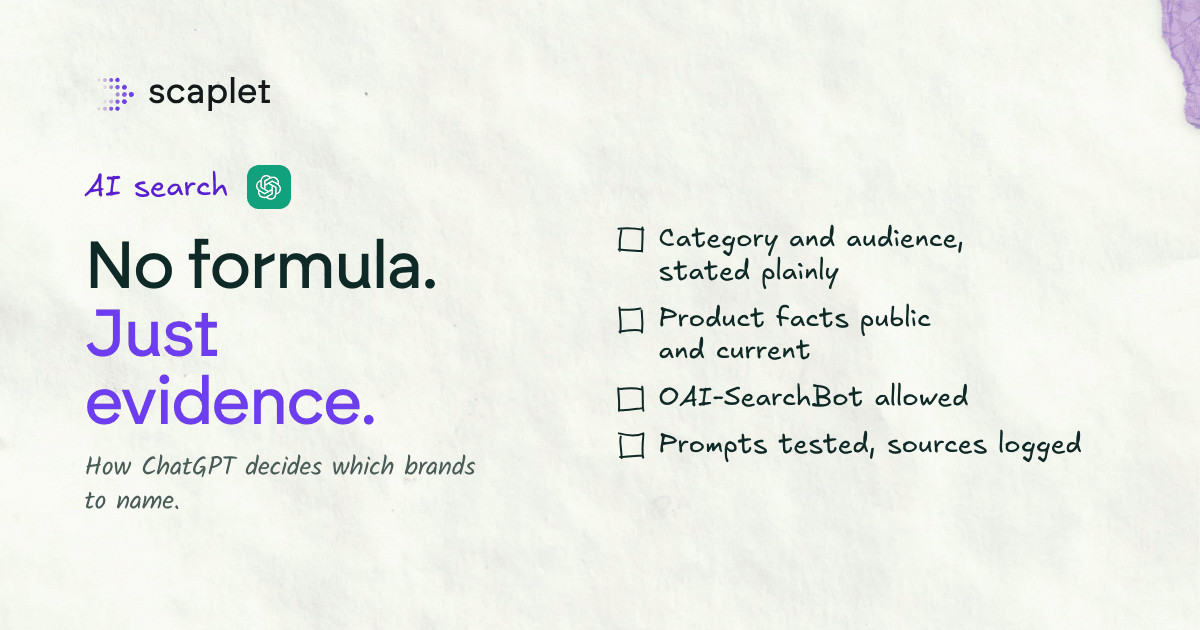
Key takeawaysLead with the direct answer and its key conditionUse forty words as a drafting prompt, not a ranking rulePut prerequisites before setup stepsKeep evidence and caveats close to the claim
Why lead with the answer
Readers should not have to scan an introduction to learn whether a page answers their question. Google asks creators to make content helpful and satisfying; it does not set a 40-word rule for rankings or citations.
A compact pattern
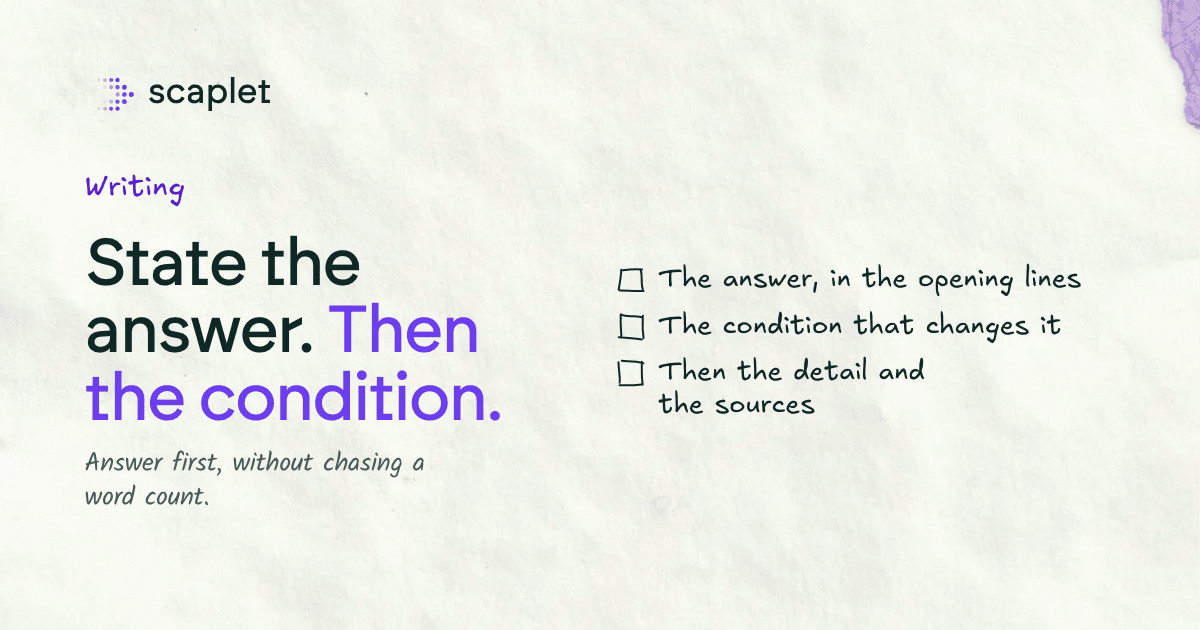
State the answer, give the condition that changes it, then show the next step. Keep the first sentence self-contained so a reader can understand it out of context.
Example: “Does this endpoint support retries? Yes, for timeout errors; do not retry a request after a validation error.” Replace the example with behavior your own docs verify.
Where to start
- Lead with eligibility and limits on pricing pages.
- Put prerequisites before setup steps in documentation.
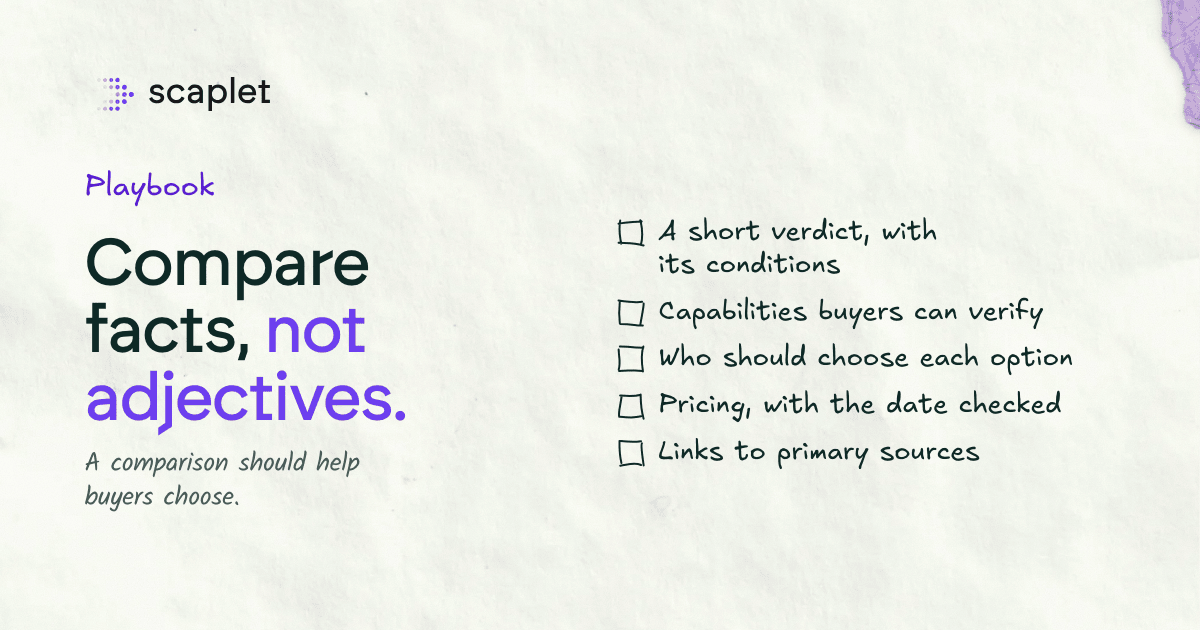
- Give a verdict and fit criteria on comparison pages.
- Answer the actual question before adding background.
What not to do
A short answer is useful only when it is accurate. Add the details, caveats and evidence a reader needs; do not cut them to hit an arbitrary word count or repeat the answer in every section.
Written by Scaplet Editorial TeamEditorial team at Scaplet