Free auditStart free
IndustryIndustries · Healthcare

SEO for dental practices

A dental SEO plan for new-patient booking, treatment pages, insurance and estimate questions, accurate dentist profiles, and privacy-aware measurement.

5 min
read
7
sources
Oct 24, 2026
updated
Scaplet Editorial Team
author
In one line

Dental SEO should explain which care the practice offers, what a first visit involves, and how to book with the right dentist or location. Separate preventive, restorative, cosmetic, and urgent paths when their next steps differ. Review treatment claims, credentials, insurance details, and financing terms. Measure new-patient visits without exposing patient data to marketing tools.

30-second check

Is your site ready for AI search?

Four quick questions, then a straight answer.

1/4Have you checked how AI answers describe your business?
Summarize this page withChatGPTClaudePerplexityGoogleAI Mode
The source, as published

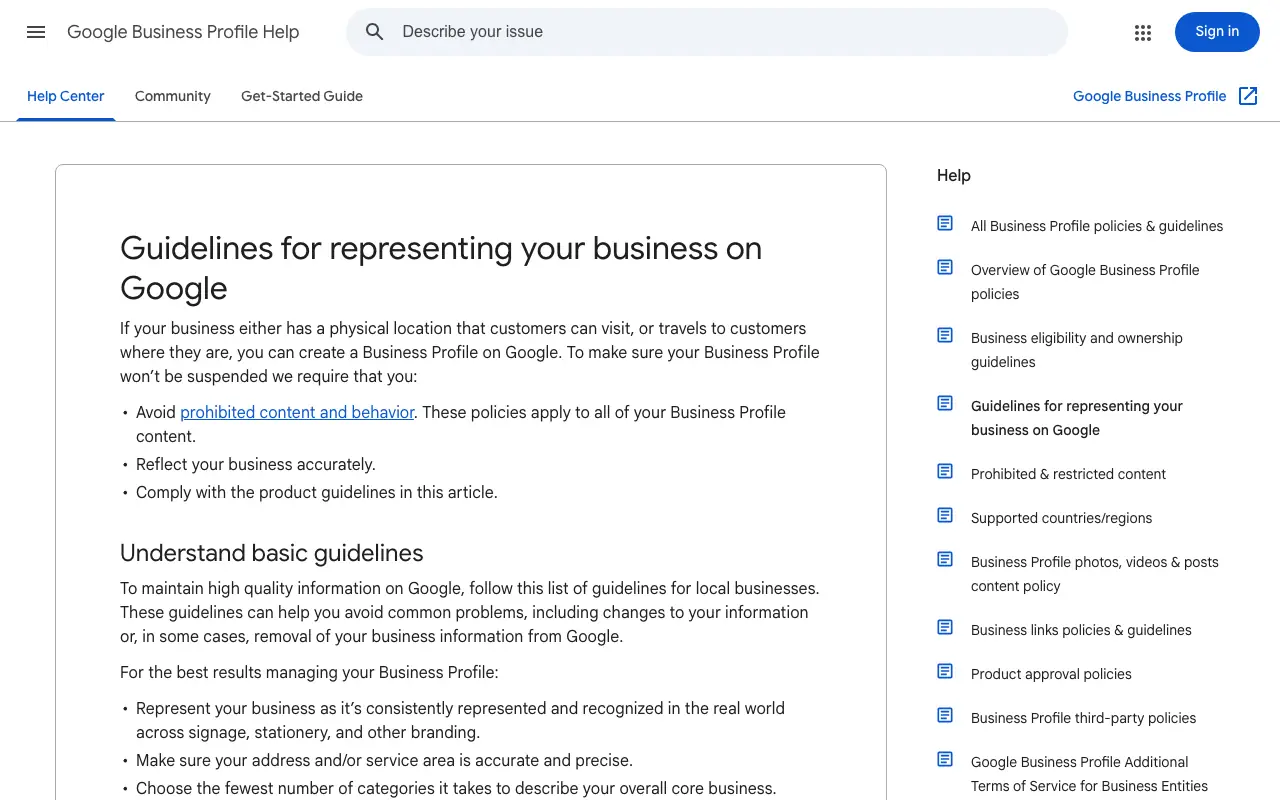
Google's rules for what a Business Profile may show

Google Business Profile Help page titled Guidelines for representing your business on Google
Google's rules for what a Business Profile may show support.google.com · captured Nov 1, 2026
  1. Profiles that break these rules can be suspended
  2. Reflect the business accurately
  3. Address or service area must be accurate and precise
02Checklist

Make estimates and next steps honest

First2
Explain whether a listed price is a starting fee, a cash price, an insurance estimate, or a final price. State what can change it and who confirms it.
Name accepted plans only when the billing team verifies the current network status. Avoid “we take all insurance” when reimbursement and plan participation vary.
Next2
If the office offers financing, link to current terms and explain that approval or eligibility is set by the provider, not guaranteed by the practice page.
Separate appointment requests from confirmed bookings and urgent triage. Show real hours and how after-hours calls are handled.
Then1
Test the booking form on mobile and make sure each location, dentist, and appointment type is routed correctly.
03Checklist

Review claims, reviews, and patient images

The American Dental Association's marketing guidance tells dentists to know the state and federal rules that govern how they promote their services. Citing the FTC, it says an ad can be deceptive through what it says, implies, or leaves out, and that an endorsement or testimonial must represent the endorser's opinion and experience. Have the dentist or compliance lead review claims about credentials, outcomes, comfort, price, and treatment guarantees.
  1. 01The ADA notes that a photo or video of a patient may constitute protected health information. Use before-and-after images only with specific patient permission, cleared with your privacy lead, and a clear description of the work shown; don't imply every patient will get the same result.
  2. 02Do not plant fake reviews or ask someone else to. The ADA says doing so on a review site may violate FTC rules, and that an endorser must disclose a material connection to the advertiser unless it is obvious. Have the compliance owner review any incentivized patient story.
  3. 03Date clinical explainers and cite primary sources; ask a qualified clinician to check technical copy and update it when clinical guidance changes.
  4. 04Do not send patient names, appointment details, or treatment form entries into unreviewed ad pixels or general analytics.

Read the ADA's marketing and advertising guidance, Google's helpful content guidance, and HHS OCR's online tracking technology guidance. HHS has updated this guidance over time, so read the current page for which parts still apply and ask privacy counsel to assess the rules for your actual setup.

04Checklist

Keep dentist profiles and office details accurate

Google's guidelines list dentists among individual practitioners, meaning public-facing professionals who typically have their own customer base. Where several practitioners work at one location, the organization should have its own profile for that location, separate from each practitioner's. A practitioner profile title should be the practitioner's name, not the organization's, and one practitioner should not have multiple profiles to cover every specialization.
First2
Keep each office page aligned with the services, dentists, hours, phone, and appointment types actually available there.
Use one page for an office and distinct profiles only for eligible practitioners; don't make a temporary room, virtual office, or treatment keyword look like a separate location.
Next1
If structured data is used, describe the real office and visible contact details. Google does not guarantee that features using structured data will appear, and its review snippet documentation limits LocalBusiness reviews to sites that capture reviews about other local businesses.
Then1
Update profile links and internal pages when a dentist moves offices, joins, or leaves.
05How it works

Measure booked care with privacy controls

Google's Search Console performance report helps measure query and page visibility. Keep identifiable health information out of the marketing analysis and review tracking vendors with the practice privacy lead.

  1. 01

    Visibility

    Group Search Console queries and pages by treatment, new patient, dentist, and office. Compare equivalent time windows and note location or staffing changes.

  2. 02

    Booking

    Track calls, appointment requests, confirmed bookings, and completed new-patient visits separately using a privacy-reviewed system.

  3. 03

    Fit

    Have the front desk report wrong-location requests, unanswered calls, appointment type mismatches, and repeated pricing or insurance confusion.

  4. 04

    Improve

    Update pages that fail to set accurate expectations. Do not use visits or appointment requests as evidence of treatment quality or health outcomes.

Sources · 7

Every fact, linked and dated.

Official docs first. The date is when we last opened each page.
  • ada.org
  • google.com
  • hhs.gov
  1. 01Marketing and Advertising: American Dental Associationada.org · checked 2026-10-24
  2. 02Guidelines for representing your business on Googlesupport.google.com · checked 2026-10-11
  3. 03Local Business structured datadevelopers.google.com · checked 2026-10-24
  4. 04Review snippet structured datadevelopers.google.com · checked 2026-10-24
  5. 05Creating helpful, reliable, people-first contentdevelopers.google.com · checked 2026-10-24
  6. 06Use of Online Tracking Technologies by HIPAA Covered Entities and Business Associateshhs.gov · checked 2026-10-11
  7. 07Performance report: Search resultssupport.google.com · checked 2026-10-11
Questions

Asked a lot.

4 questions people ask next, answered from the sources on this page.

01What should a dentist's treatment page include?

Explain what the service generally involves, how candidacy is evaluated, what affects cost, and how to schedule a consultation. Have a qualified dentist review clinical claims and avoid guaranteed outcomes.

02Can dentists have their own Google Business Profile?

Google's guidelines treat dentists as individual practitioners and allow eligible ones their own profile, separate from the office's. Naming rules apply, and a dentist should not have multiple profiles for different specialties.

03Can a dentist advertise before-and-after photos?

Use them only with permission and accurate context, and avoid implying that every patient will achieve the same result. Review the ADA guidance and current rules in the practice's jurisdiction.

04How do dental practices measure SEO?

Compare search visibility with calls, appointment requests, confirmed bookings, and completed new-patient visits using approved aggregate reporting. Keep patient details out of marketing analytics.

Free · 2 minutes

Tools point. Agencies advise. This one ships.

Run the free audit, then approve the fixes. Every change can be undone.

Free, no card60 secondsNobody will call you
  • 46 fixes shipped without a ticket Brightpipe
  • 0→7 ChatGPT citations in six weeks Paylane